.jpg)
Feb 20, 2025
The Electric Vehicle Revolution: How EVs Are Reshaping the Automotive Industry

Andre Szeles


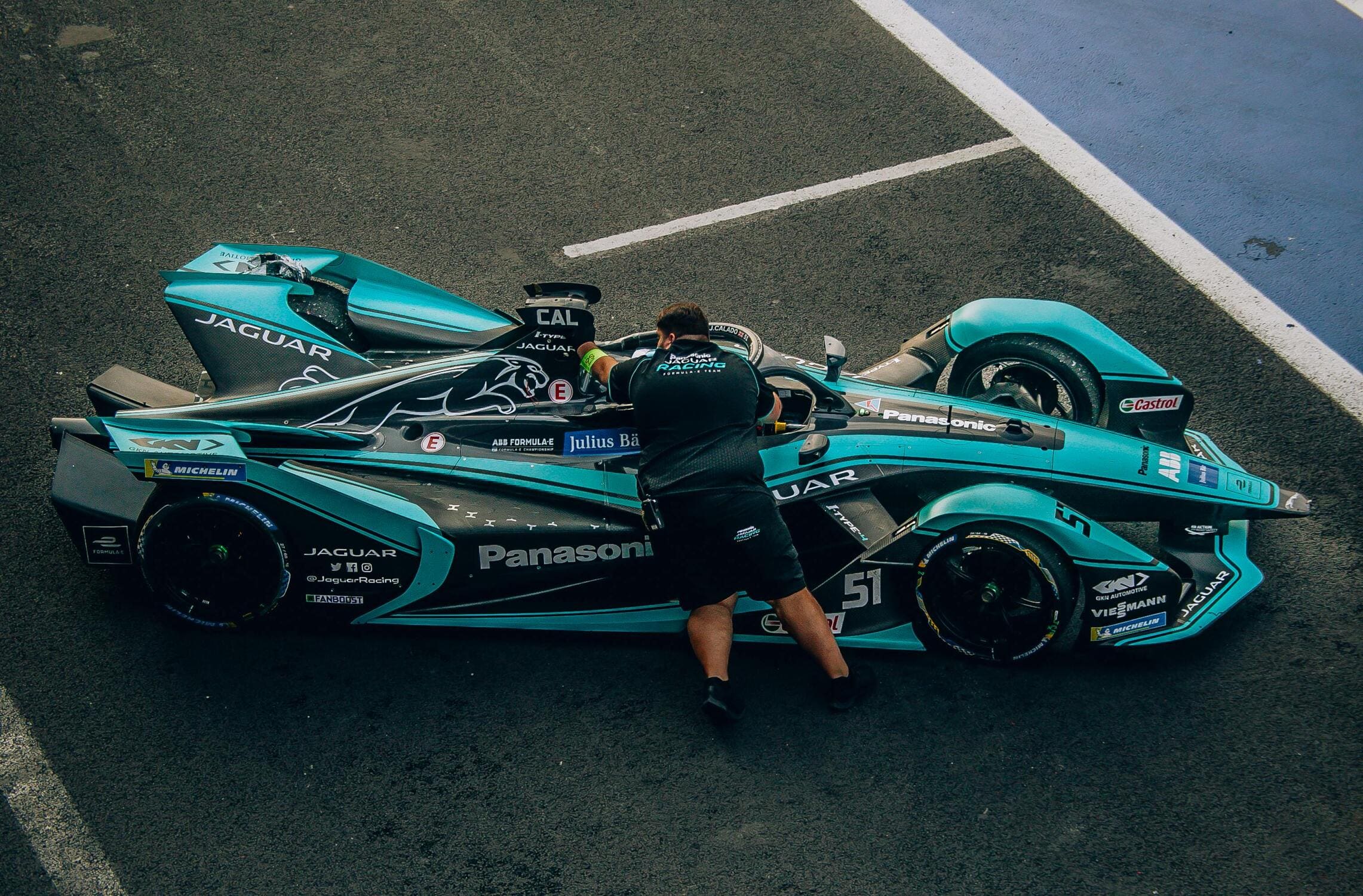

Motorsport is resetting worldwide. Hybrid and electric propulsion, sustainable fuels, cost controls, standardized safety, and real-time data operations are changing how series compete and how teams run. Value shifts from mechanical craft to software, simulation, controls, batteries, composites, and rapid industrialization. Winners convert technology and regulation into pace, reliability, safety, fan reach, and sustainable unit economics.
Stakeholders include series rights holders and promoters, governing bodies, OEMs and private teams, constructors, engine and battery suppliers, tiered component partners, tire and fluid partners, track owners and event operators, broadcasters and streamers, betting and data partners, and logistics and hospitality providers. Disciplines span single-seaters, endurance, stock cars, touring and GT, rally and rally-raid, rallycross, off-road, and motorcycles. Global calendars require regionally balanced engineering, operations, and content footprints.
FIA and FIM regulations drive technology paths and grid economics. Cost caps, homologation windows, standardized safety structures, battery shipping rules, and sustainable fuel mandates set constraints. Governments and cities tighten noise, emissions, and event permitting. Sponsors and OEMs seek credible sustainability metrics and year-round digital reach. Fan demand concentrates on authentic competition, safe and fast racing, rich live data, and flexible viewing.
Powertrains. Highly efficient ICE with hybrid systems, advanced KERS and ERS, battery safety and thermal control, sustainable and synthetic fuels, and fast charging where relevant.
Aero and vehicle dynamics. Ground-effect management, DRS variants, drag-reduction trade-offs, tire thermal windows, and robust correlation from CFD and wind tunnel to track.
Software and data. High-fidelity simulation, digital twins, setup optimization, strategy engines, live telemetry, AI-assisted anomaly detection, and post-event analytics.
Manufacturing. Composites, additive manufacturing, tight takt and QA, repairability, and cost-cap compliance with traceability.
Safety and compliance. Impact structures, fire safety, battery containment, incident forensics, software configuration control, and audit-ready evidence packs.
Commercial and fan. OTT streaming, low-latency data feeds, on-board content, creator ecosystems, and venue operations that meet sustainability and accessibility baselines.
Programs move to continuous integration. Spec changes and BoP updates require rapid design-test-learn loops. Global logistics optimize fly-away kits, spares, and people rotations. Partners are dual-sourced for resilience across engines, cells, semiconductors, and critical materials. Event operations hinge on pit performance, turnaround times, scrutineering readiness, and broadcast reliability. Quality escapes are contained through telemetry, pre-emptive part lifeing, and robust rollback plans for software and hardware.
Safety, integrity, inclusion, and environmental impact are non-negotiable. Stakeholders expect transparent carbon accounting, battery and fuel stewardship, human-rights due diligence in supply chains, and responsible data use. Series that link credible technology roadmaps with strong competition and accessible storytelling build durable followings.
At the front of the global conversation, Formula 1 remains the benchmark for reach and technical theatre, shaped by cost caps, ground-effect rules, an expanded U.S. footprint, and the 2026 power-unit and aero reset that keeps OEM interest high. Endurance racing has surged, with the FIA World Endurance Championship and the 24 Hours of Le Mans leading a hypercar wave featuring Toyota, Ferrari, Porsche, Peugeot, Cadillac, BMW, Lamborghini, and Alpine, mirrored by IMSA’s GTP class in North America. Formula E carries momentum as the top-tier electric championship, racing in city centers with energy-management strategy and a Gen3 platform evolving for higher performance and stronger road-EV relevance. MotoGP delivers peak two-wheel spectacle with close grids, sprint races, and intense manufacturer rivalry. In North America, the NASCAR Cup Series’ Next Gen car has refreshed parity and venues, while the NTT IndyCar Series blends high-downforce road and oval racing with the halo of the Indianapolis 500 and an imminent hybrid step. Rally’s pull endures through the FIA World Rally Championship’s Rally1 hybrid era and iconic events from Monte-Carlo to Safari. Regional pillars such as DTM and Japan’s Super GT remain influential testbeds for GT3 competition and manufacturer storytelling.
Prioritize capabilities over titles and develop core technical and operational strengths through structured learning, simulator-based training, rotations, and strong safety standards. Enable frontline teams with clear workflows, consistent execution practices, and reliable feedback mechanisms. Leadership turns strategy into actionable performance expectations covering on-track execution, operational resilience, regulatory readiness, cost discipline, and audience impact.
We align teams and series with leaders who deliver measurable outcomes across performance, reliability, safety, cost, and audience reach. We assess systems thinking, partner orchestration, regulatory fluency, and the ability to scale data-driven improvement across factory and track. No fixation on titles. Only impact.
Success will be measured by converted competitive capacity. Faster and safer cars and bikes. Higher reliability and turnaround speed. Lower cost per competitive kilometer. Verified sustainability progress. Stronger digital and venue experiences. The lever is human capability. Organizations that synchronize technology, supply chain, operations, and people at race pace will set the global standard.
.jpg)
.png)
.jpg)

.jpg)
.jpg)
.jpg)

.png)
.jpg)


